
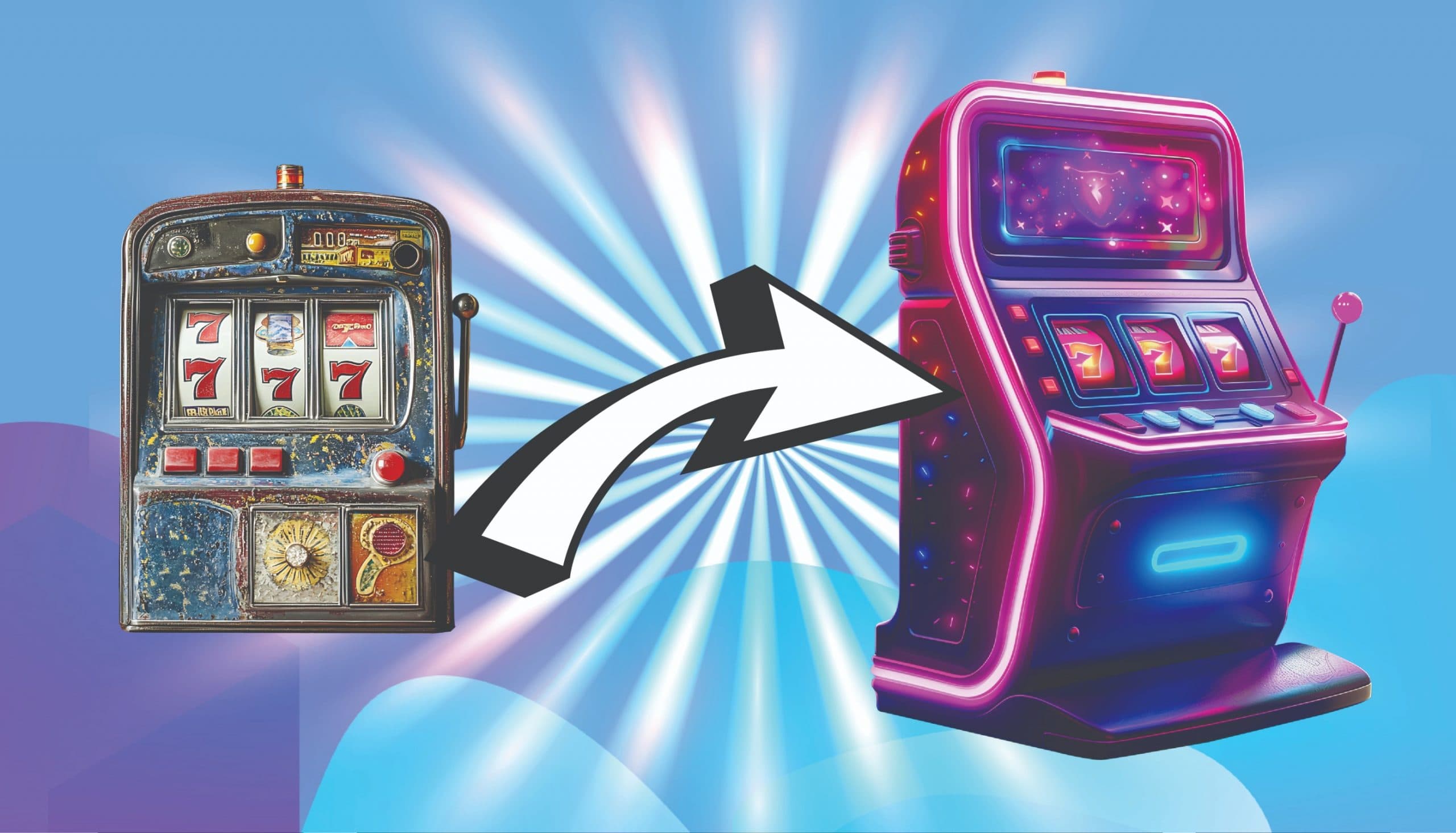
Slot Machines Timeline: From Mechanical Reels to Video and Online Slots
The main idea remains: spin the reels and wait for the result. However, slot machines have evolved from coin-operated mechanical reels into digital games built around screens, features, themes, and mobile play.
What began as a simple mechanical device in a San Francisco workshop eventually became one of the most recognizable formats in casino entertainment.
Today, modern slots include video graphics, bonus rounds, progressive jackpots, touchscreen controls, and mobile-friendly layouts. Let’s explore the slot machines timeline next.
1890s – The First Mechanical Slot Machine

The story of modern slot machines usually starts with Charles Fey, a San Francisco mechanic credited with building the Liberty Bell in the late 1890s.
His machine used three spinning reels and a small set of symbols, including hearts, horseshoes, and the cracked Liberty Bell that gave the machine its name.
The real breakthrough, however, it was the automatic payout system. Earlier gambling machines existed, but many were more complicated and often needed a person to handle prizes.
Fey’s machine made the experience simpler: spin the reels, land the right symbol combination, and the machine could pay out automatically.
The Impact of the Liberty Bell Slot Machine
That simplicity helped shape the future of slot design. Three reels made the game easy to understand. A limited symbol set made results clear. The automatic payout gave instant feedback without slowing down the experience.
Those early slot machines were mechanical from top to bottom. Reels moved through gears, springs, levers, and counters. Every spin depended on small physical parts working together with precision.
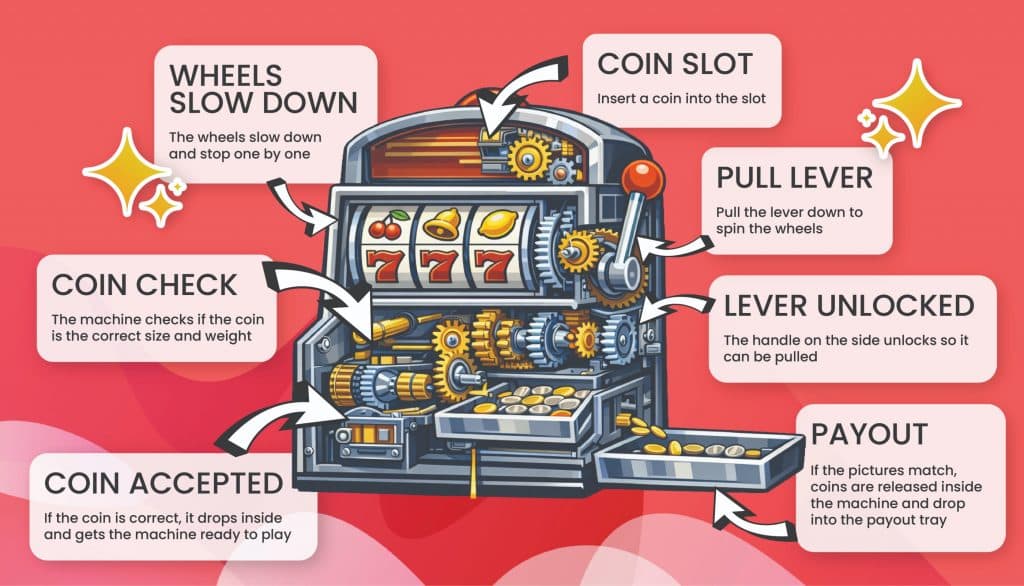
Players dropped in a coin, pulled the lever, and watched the reels spin into place. The click of the mechanism and the clatter of coins were part of the entertainment.
That sensory feedback became part of slot culture and helped turn a simple machine into something people noticed across a bar, saloon, or casino floor.
Shaping the Classic Slot Style
As slot machines spread, other manufacturers began building their own versions. Companies such as Mills Novelty Company helped popularize fruit symbols, including cherries and lemons.
In some cases, those fruit symbols were connected to gum flavors when machines offered candy-style prizes instead of cash, but the visual language stuck.
Many early cabinets were also designed to be seen. Polished wood, metal trim, painted symbols, bells, lights, and decorative artwork helped machines stand out in busy entertainment spaces.
1960s – Slot Machines Go Electronic
The next major shift came in the 1960s, when manufacturers began adding electrical systems to slot machines.
It did not remove the familiar reel format right away. Instead, it made the experience smoother and gave designers more room to build new features around it.
Before this shift, slot machines depended on physical parts for nearly everything. Reels spun through mechanical force, payouts were handled by moving components, and maintenance could be demanding.
Electrical systems allowed machines to become more reliable, more flexible, and easier to adapt.
1963 – Money Honey and the Electromechanical Era
A key turning point arrived in 1963, when Bally Manufacturing introduced Money Honey.
It became known as the first fully electromechanical slot machine. Electric motors powered the reels, and electrical circuits helped control payouts.
One of Money Honey’s major advances was its ability to automatically pay out up to 500 coins.
At the time, that was a major shift for casino operations. It helped casinos manage payouts more efficiently and showed how electricity could expand what slot machines were able to offer.
What Changed for the Player Experience
Electromechanical systems opened the door to features that became standard over time.
Machines could support button controls, brighter lights, larger automatic payouts, and more flexible game structures.
Circuits also made it easier to recognize more symbol combinations than older purely mechanical systems could manage.
This period is important because it acted as a bridge. Slots still looked and felt familiar, but the technology underneath was moving away from gears and springs toward electronic entertainment systems – the machine around it became faster, brighter, and more feature-driven.
1970s – 1980s – How Video Slots Changed the Game
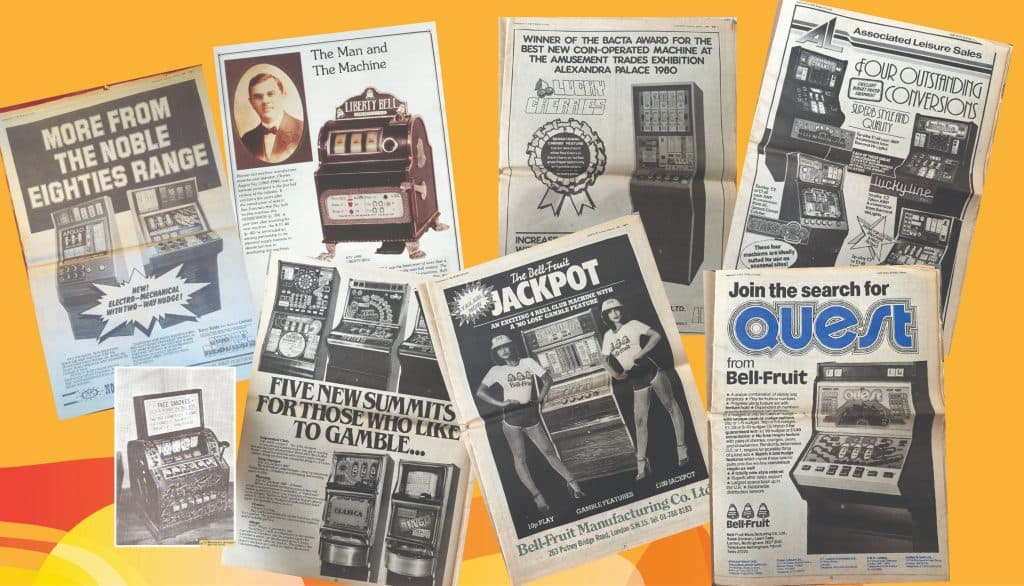
Once video technology entered casinos in the late 1970s and early 1980s, slot development started moving much faster.
Physical reels were no longer the only option. Symbols could appear on a screen, which gave designers more freedom to build themes, features, and bonus events that were harder to create with mechanical parts.
Early video slots were basic by today’s standards. Graphics were limited, animations were simple, and the format still leaned heavily on the traditional reel layout. But the shift to screens changed the creative ceiling for slot games.
From Spinning Reels to Digital Screens
Fortune Coin developed one of the first video slot machines using a modified television screen to display simulated reels. Nevada regulators approved the machine in 1976, helping open the door for video slots to become part of casino floors.
From there, computer graphics improved quickly. Through the 1980s and 1990s, slots began using animated characters, themed worlds, and interactive bonus rounds.
That changed how slots were designed. The experience became more visual and more varied. Slots could now borrow from adventure games, movies, mythology, fantasy, travel, and pop culture without needing a new mechanical cabinet for every idea.
Sound and Graphics Improved the Slot Gameplay
Video slots also made sound design a bigger part of the experience. Earlier machines relied on bells, clicks, and simple tones. Digital systems allowed music, voice clips, animations, and sound effects to match different moments in the game.
That presentation can make a slot feel more immersive. A bonus round can build tension through music. A winning combination can be marked by sound and movement. A theme can feel more complete when the visuals and audio work together.
1990s – The Rise of Online Slot Machines

The internet changed slot gaming again in the 1990s.
For the first time, players did not need to be physically near a casino machine to access slot-style games. Online casinos made it possible for eligible players in permitted locations to browse games digitally and play from a computer.
Early online slots were much simpler than the games players know today. Graphics were lighter, sound was limited, and internet speeds placed real limits on what developers could build.
Still, the convenience was a major shift. Slot games were no longer tied only to a casino floor.
How Online Slots Changed Access and Game Choice
As internet speeds improved, online slots became more polished. Developers could offer better graphics, stronger audio, and a wider range of themes. At the same time, secure payment systems and independent game testing helped online platforms build trust with players.
Instead of relying only on a casino floor, players could browse a digital library, compare themes, and choose between classic reels, feature-heavy video slots, or progressive jackpot titles.
This is where online slots became more than digital copies of land-based machines. The format allowed platforms to organize large game libraries, introduce new titles more quickly, and give players more choice in one place.
Progressive Jackpots and Bigger Game Libraries
Online platforms also made networked progressive jackpots easier to offer. In these games, a portion of qualifying wagers can contribute to a shared prize pool, which may keep growing until the jackpot is awarded.
Instead of every game existing in isolation, progressive systems can connect prize pools across games or player groups, depending on how the jackpot is structured.
2000s – Mobile Slots and the Touchscreen Era

Smartphones pushed that shift even further. Slot games could be designed for smaller screens, touch controls, and shorter moments of play on compatible mobile devices.
Early mobile versions were limited because phones had smaller screens and less processing power.
As smartphones improved, mobile slots became closer to desktop games in terms of graphics, speed, and usability.
How Smartphones Changed Slot Design
Touchscreens changed how players interacted with slots. Instead of pulling a lever or pressing physical buttons, players could tap the screen, open menus, adjust settings, and move through a game with gestures from everyday phone use.
Mobile games adapted slot layouts for smaller screens, while many modern casino machines adopted cleaner touchscreen interfaces inspired by smartphones and tablets. The result was a more streamlined style of slot design.
For developers, mobile design also meant prioritizing clarity. Symbols needed to be readable. Buttons needed to be easy to use. Bonus features needed to work without cluttering the screen.
Future – What Comes Next for Slot Technology
Slot technology is still evolving.
Virtual reality experiments have started exploring more immersive casino-style environments.
Artificial intelligence tools may also influence how platforms organize game libraries, recommend themes, localize content, or support safer platform operations.
While technology can improve presentation, navigation, and platform experience, the game outcome still is expected to be governed by tested systems, published rules, and the math behind each title.
How Slots Changed Without Losing Their Core
The most interesting part of slot history is how much has changed without losing the original shape of the game.
Mechanical reels became electromechanical machines. Electromechanical machines led to video slots. Video slots moved online. Online slots became mobile-friendly.
Each stage added something new: automatic payouts, brighter presentation, bonus features, wider game libraries, progressive jackpots, and more flexible access.
But the center of the experience stayed surprisingly consistent. Players still recognize the spin, the reveal, and the result.
From Fey’s mechanical reels to modern online slots, the strongest innovations have built on what players already recognize: a clear spin, a quick reveal, and a result that is easy to understand.
More About the Evolution of Slot Machines
Who invented the first modern slot machine?
Charles Fey is widely credited with creating the Liberty Bell in San Francisco in the late 1890s. Its three-reel format and automatic payout system helped establish the structure that later slot machines built on.
What made the Liberty Bell important?
The Liberty Bell made slot play simpler and faster. It used three reels, clear symbols, and an automatic payout system, which made the result easy to understand without needing someone to manage every prize manually.
What changed when slots became electromechanical?
Electromechanical slots added motors and electrical circuits to the traditional reel format. That helped machines support larger automatic payouts, smoother gameplay, button controls, and more flexible game features.
How did video slots change casino gaming?
Video slots removed many of the limits of physical reels. Developers could add animated themes, bonus rounds, multiple feature types, and more varied layouts, turning slots into more visual and feature-led casino games.
Do graphics and sound affect slot odds?
No. Graphics, sound, and animations affect how a slot feels, not how the result is determined. Outcomes are controlled by the game’s programmed probability systems and tested mechanics.
What made online slots different from casino-floor machines?
Online slots made larger game libraries easier to access and allowed features such as digital browsing, mobile play, and networked progressive jackpots. The core reel mechanic stayed familiar, but the format became more flexible.