
Sticky vs Walking Wilds: What’s the Difference?
Some Wild symbols keep helping after the spin where they first appear.
Sticky Wilds stay in the same position while new symbols land around them. Walking Wilds move to a different position on later spins or respins.
If you’ve watched a Wild remain on the screen during free spins or move across the reels, you’ve seen one of these features at work.
The easiest way to tell them apart is to watch what happens after the Wild first lands.
How Sticky Wilds Work

A sticky Wild lands and stays in its spot for more than one spin or respin. The other symbols change around it, but the Wild remains available to stand in for eligible paying symbols.
It’s a simple feature to follow because you know which position the Wild will occupy next.
Imagine a Wild landing in the center of a reel during free spins. On the next spin, the surrounding symbols change while the Wild stays put.
If the new symbols form a paying combination through that position, the held Wild can help complete it again.
The length of the hold depends on the game. Two SlotsLV examples show the difference:
- In Johnny Rush, Wilds that land on reels 2, 3, and 4 during Free Spins stay locked until the bonus ends.
- In Tigers Luck, a Wild that helps make a win stays for the next 2 spins.
Both are sticky Wilds. If one lands early in Johnny Rush’s Free Spins round, you may see it remain through several more spins. In Tigers Luck, the hold lasts for the next two spins once the Wild qualifies.
The duration changes how long the same position stays useful. The feature may include multipliers or extra spins in some games, but the word sticky describes the Wild staying in place.
One important distinction: a locked cash or jackpot symbol in a Hold & Win game keeps a prize value on the screen. A sticky Wild keeps acting as a substitute symbol.
How Walking Wilds Work
A walking Wild changes position as the feature continues. Instead of holding one spot, it travels along a route set by the game. It might move right, left, or follow a more unusual path.
Awesome 7s offers an easy example to follow:
- The Walking Wild starts on reel 1.
- When it contributes to a win, the game awards a respin with a 2x multiplier, and the Wild moves one reel to the right.
- Another win involving the Wild can keep the sequence going from its new position.
As the feature continues, you may watch the same Wild move from reel 1 to reel 2 and then toward reel 3. Each new position changes which regular symbols it can help connect.
That’s one version of walking.
In some slots, the Wild moves during an existing free-spins round. In others, it shifts after each spin in a particular feature. The movement rule tells you what happens next.
Here are two other ways a walking Wild can behave:
- Candy Carnival: During Free Spins, the Wild expands to fill a reel and then moves one reel left on later spins.
- Thunder Walker: A full stack of Wilds moves left on each following spin until it leaves the grid.
Those games use the same label, but the timing of each move is different.
- Awesome 7s: the sequence can stop when the Wild no longer helps make a win.
- Thunder Walker,:the Wild continues along its route until it leaves the grid. That is why the movement rule matters as much as the direction.
A respin and a Free Spin feature work differently. Awesome 7s adds a respin when the Wild helps form a qualifying win.
Candy Carnival moves its Wild during Free Spins that have already started. Both can show a walking symbol, but the movement itself is only one part of the bonus.
Sticky vs Walking Wilds: Side-by-Side
| What to watch | Sticky Wild | Walking Wild |
| Position on later spins | Stays where it landed | Moves to another spot |
| How it continues | Holds for set spins or until a feature ends | Follows the feature’s movement rule |
| Example | Johnny Rush | Awesome 7s |
The simplest distinction is where the Wild will be on the next spin. With a sticky Wild, you know its position. With a walking Wild, its location changes as the feature progresses.
When Wild Features Overlap
Some games combine different Wild behaviors. In Candy Carnival, a Wild expands first, taking up an entire reel. It then walks left during Free Spins. Expansion describes how the Wild spreads; walking describes how it moves afterward.
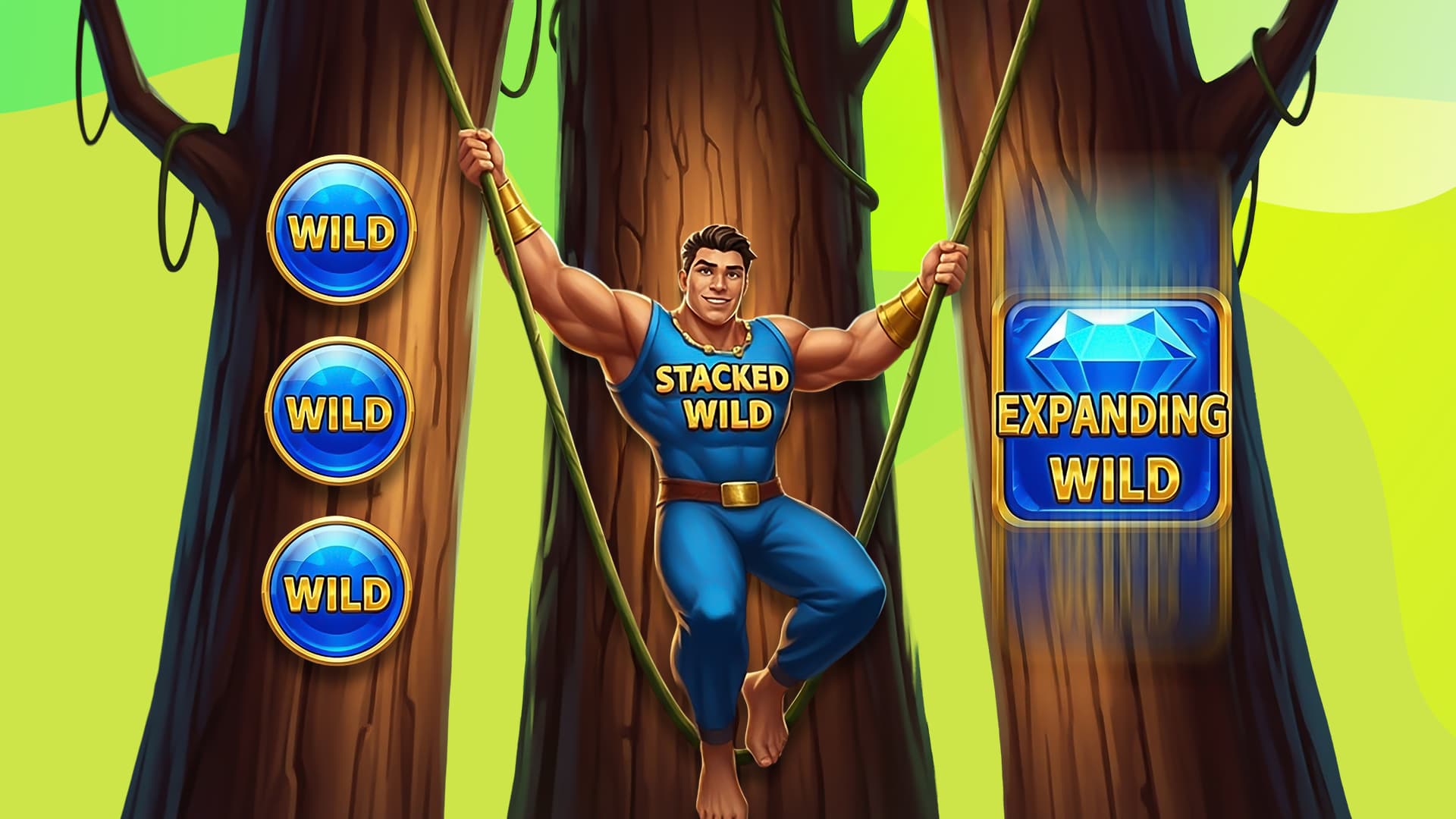
A Wild can also arrive as a stack and stay in place for later spins. That’s why stacked and expanding Wilds describe one part of the feature, while sticky and walking describe what happens as the spins continue.
These terms give you different pieces of the picture. A game can use several of them in the same bonus round.
How Do These Wilds Affect the Game?

A sticky Wild may help complete different combinations from the same position on several spins. A walking Wild may help from different positions as it travels. That movement can change the combinations available during a feature.
For example, a Wild held on reel 3 may help when matching symbols appear on the reels beside it. A walking Wild might occupy reel 4 on the next eligible spin, giving you a different set of potential combinations.
Extra spins and multipliers can make either mechanic more involved. Awesome 7s, for example, ties its walking sequence to winning respins, while Candy Carnival uses movement during free spins already in progress.
A Wild feature is only one part of the game. RTP, volatility, and hit frequency depend on the slot’s full set of rules, including how and when the Wilds appear. The name of the Wild alone doesn’t tell you which game is more likely to pay.
Find a Wild Feature You Enjoy
Look for the held Wilds in Johnny Rush, or follow the reel-to-reel movement in Awesome 7s. Seeing those two features in action makes the difference easier to recognize in other games.
You can explore more slots with Wild features in the SlotsLV library.